
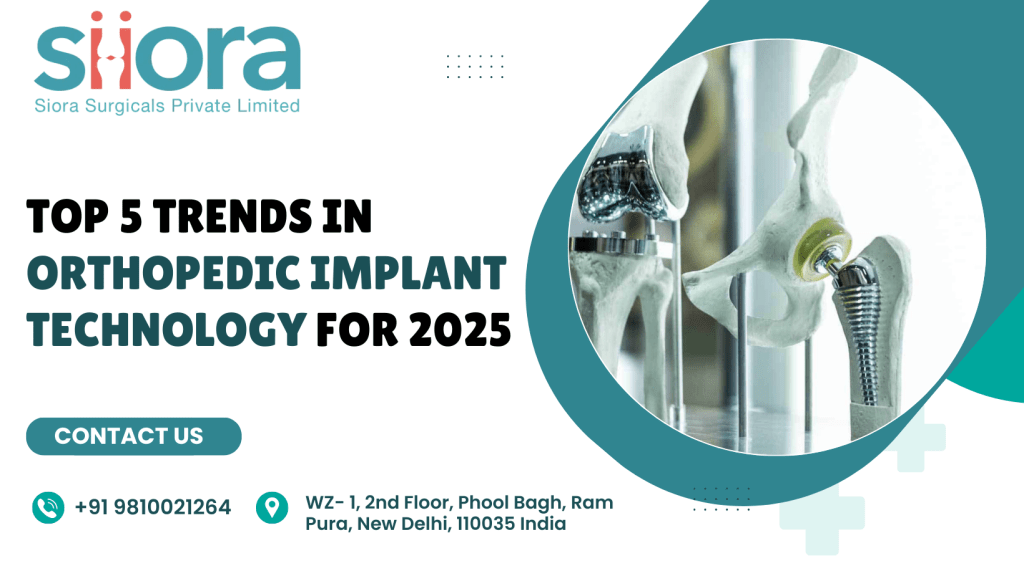
The field of orthopedic implant technology is constantly evolving intending to improve patient outcomes, minimize invasiveness, and enhance the overall surgical experience. This blog will highlight five key trends shaping the future of orthopedic implants in 2025. Let us have a look.
5 Trends to Watch Out in the Orthopedic Industry in 2025
- 3D Printing and Personalized Implants
Gone are the days of one-size-fits-all implants. 3D printing technology is revolutionizing the field by allowing for the creation of highly customized implants that perfectly match a patient’s unique anatomy. This personalized approach offers several advantages:
- Improved Fit: 3D-printed implants can be designed to fit the patient’s specific bone structure, leading to better stability, reduced stress, and a lower risk of complications.
- Enhanced Functionality: Implants can be tailored to address specific patient needs, such as optimizing joint biomechanics or accommodating pre-existing conditions.
- Minimally Invasive Surgery: 3D printing can be used to create smaller, more precise implants, enabling less invasive surgical procedures with faster recovery times.
- Smart Implants and Remote Monitoring
The integration of smart technology into orthopedic implants is transforming post-operative care. Smart implants can:
- Monitor Implant Performance: Embedded sensors can track implant function, such as wear and tear, loosening, or infection, allowing for early detection of potential problems.
- Provide Real-time Data: Data collected by smart implants can be transmitted wirelessly to healthcare providers, enabling remote monitoring of patient progress and facilitating timely interventions.
- Improve Patient Outcomes: Smart implants can help optimize treatment plans and improve long-term outcomes by providing valuable insights into implant behavior and patient recovery.
- Biodegradable Implants
Traditional orthopedic implants often require a second surgery for removal. Biodegradable implants offer a promising alternative by gradually dissolving or being absorbed by the body over time. This eliminates the need for a second surgery, reduces the risk of complications, and simplifies the overall treatment process.
- Tailored Degradation: Biodegradable materials can be engineered to degrade at a specific rate, ensuring that they provide support for the necessary healing period before being fully absorbed.
- Reduced Risk of Complications: By eliminating the need for implant removal, biodegradable implants can reduce the risk of infection, implant loosening, and other complications associated with revision surgery.
- Improved Patient Experience: Biodegradable implants can lead to a more streamlined and less invasive treatment experience for patients.
- Advanced Materials and Coatings
Ongoing research is focused on developing novel materials and coatings that enhance the performance and longevity of orthopedic implants. These advancements include:
- Stronger, More Durable Materials: New materials like ceramics and polymer composites are being developed to provide greater strength, wear resistance, and biocompatibility.
- Antimicrobial Coatings: Coatings infused with antimicrobial agents can help prevent infection, a major concern with orthopedic implants.
- Bioactive Coatings: Coatings that promote bone growth and integration can enhance implant stability and accelerate healing.
- Regenerative Medicine Approaches
Regenerative medicine techniques are being explored to promote natural tissue repair and regeneration around orthopedic implants. These approaches may include:
- Stem Cell Therapy: Using stem cells to stimulate tissue growth and repair damaged bone and cartilage.
- Growth Factor Delivery: Utilizing implants that deliver growth factors to promote healing and tissue regeneration.
- Tissue Engineering: Engineering new tissues and organs to replace damaged ones, offering a potential long-term solution for severe orthopedic conditions.
Conclusion
The future of orthopedic implant technology holds immense promise. By embracing these emerging trends, the field is poised to deliver more effective, personalized, and less invasive treatments for patients with orthopedic conditions. As research and development continue to advance, we can expect to see even more innovative solutions that improve the quality of life for millions worldwide.To get an advanced and improved range of trauma implants & instruments, explore the inventory of Siora Surgicals Pvt. Ltd. The company has been operating for over 3 decades and has established a huge distributor base in over 50 countries. Siora is also looking to be named among the leading orthopedic manufacturers in Ukraine.

