
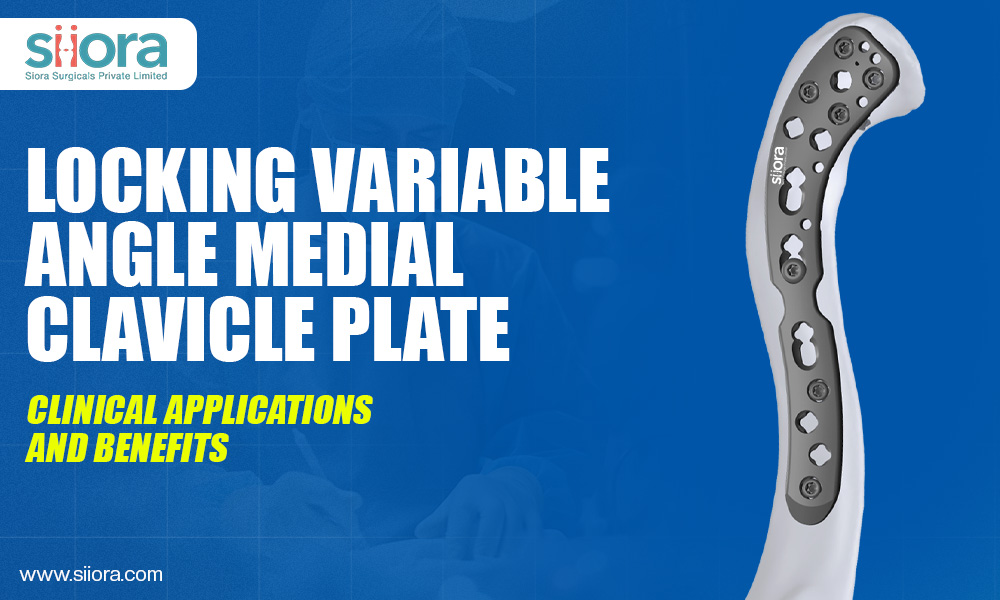
If you’re facing a complicated fracture near the center of your collarbone, your doctor might recommend something called a Locking Variable Angle Medial Clavicle Plate. It can sound daunting at first, but understanding how it works and why it’s chosen can go a long way in easing worries about treatment and recovery.
Real-World Use: Fixing Challenging Fractures
Collarbone fractures happen in many ways—maybe from a fall, a car accident, or even a sports injury. Fixing the inner (medial) part of the bone can be especially tricky because it’s close to important blood vessels and nerves. In the past, some people needed to live with bumps, pain, or limited shoulder movement following traditional treatments.
The locking variable angle plate is designed to address these challenges. Think of it as a smart toolkit for surgeons. Its shape matches the curve of most collarbones, and its screws can be angled in multiple directions. That means the surgeon isn’t forced to use a “one-size-fits-all” approach—they can fit the plate snugly, protect nearby tissues, and securely hold bone fragments, even if the bone is weak.
Making Recovery Easier for Patients
What does this mean for someone going through surgery? For starters, the specially contoured plate causes less irritation, which can mean less swelling and less discomfort as you heal. Surgeons can use smaller incisions, often leading to quicker recoveries and fewer scars. Many patients get back to their regular routines—playing sports, working, or caring for family—without worrying about lingering pain or stiffness.
Reports from hospitals and clinics say that people treated with these plates often experience excellent healing. Bones knit together stronger, and the need for a second surgery drops. Fewer complications mean you don’t just heal—you regain confidence in daily activities sooner than with older methods.
A Surgeon’s Perspective
For healthcare professionals, this plate isn’t just a technical upgrade—it’s a way to tailor treatment to every individual. The variable angle system means surgeons can avoid previous hardware or capture difficult bone pieces that traditional methods might miss. They’re less likely to disturb muscle or other tissue, and the secure locking mechanism keeps everything in place until the bone is good as new.
Looking Ahead: Patient-Centered Innovation
As surgical technology evolves, the focus turns even more to patient comfort and success. Orthopedic implants are becoming lighter and even smarter, promising easier monitoring and more personalized solutions. But even today, the locking variable angle medial clavicle plate gives doctors and patients a sense of teamwork—each person’s needs and anatomy are respected.
If you’re worried about surgery or are helping someone who is, ask your doctor about their experience with these types of plates. Often, they can share stories of other patients—like athletes getting back in the game, or grandparents holding hands with grandchildren again, all thanks to better bone healing and less downtime.
 Siora Surgicals Pvt. Ltd.